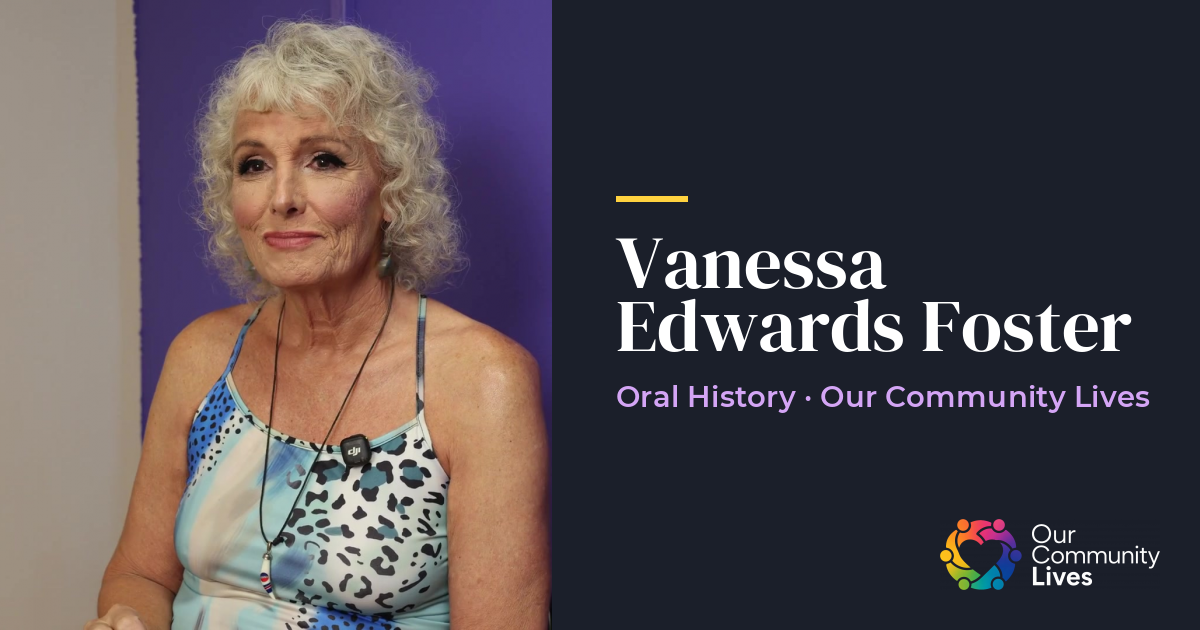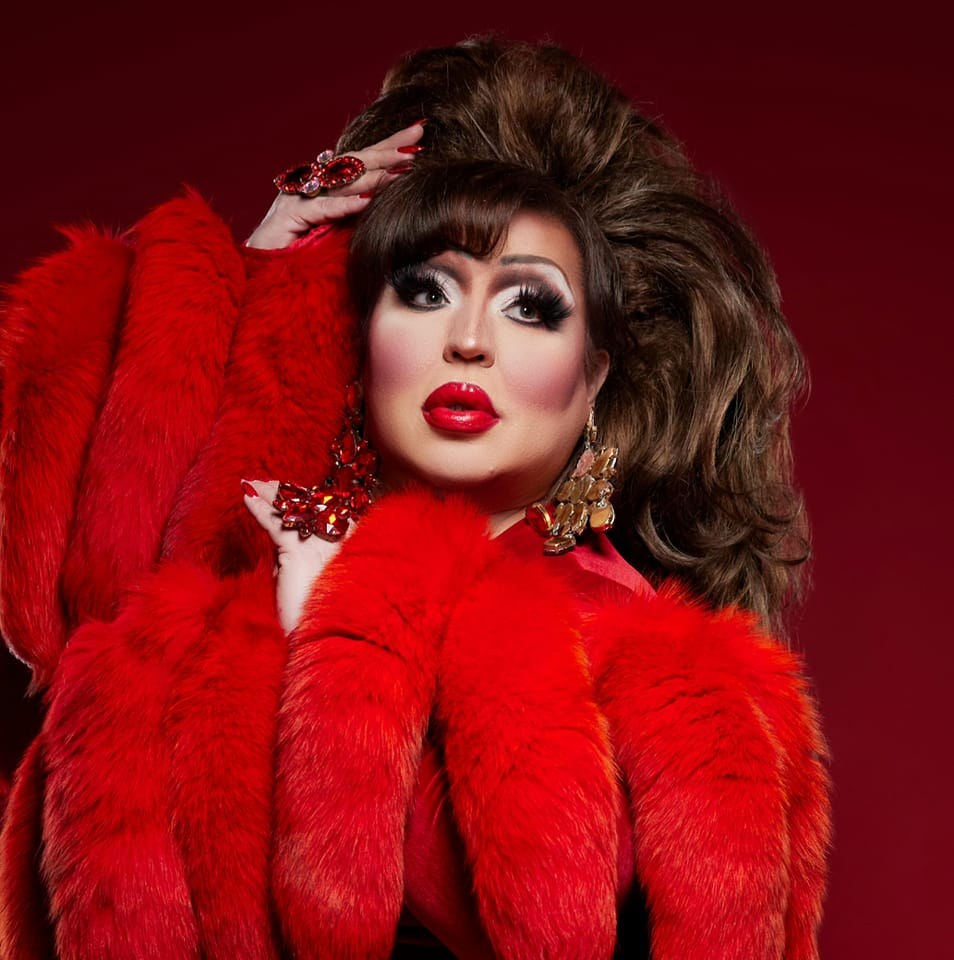
At the Mosaic Project, we believe that preserving LGBTQIA+ history is an act of investment in one another, a way of ensuring that the contributions, lessons, and care woven into our communities are never lost. Brittany Ramirez’s oral history, recently archived on Our Community Lives, is a powerful example of this principle in action. Over more than three decades in South Texas, Brittany has not only survived but built systems of support that help others thrive: mentoring newcomers through pageantry, co-founding the Coastal Bend Trans Alliance, and ensuring that younger generations have resources she once lacked.
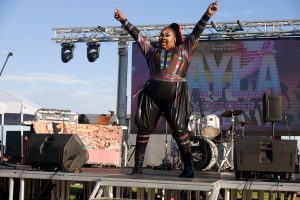
Brittany entered the LGBT scene at fifteen in the late 1980s, dancing backup for local queens like Victoria West and Ashley Everett during a period when the community was still reeling from the AIDS crisis. She went on to win South Texas Newcomer in 1991, transitioned in 1993, and legally changed her name in 1994 under Ann Richards’ administration; one of the first trans women in the Coastal Bend to do so. After years living stealth, she returned to performing in 1999, driven by a longing for the community she had known. Now fifty-three and still on stage, Brittany channels that history into creating opportunities for others.
Her activism took shape under the mentorship of advocate Kitana Sanchez. Together, they co-founded Coastal Bend Trans Alliance in 2016, a support group for trans individuals, youth, and their families. That same year, Brittany organized a vigil following the Pulse nightclub tragedy that brought over five hundred people together—a turning point in local visibility and solidarity. Seventeen years ago, she created the Miss Latina pageant to ensure representation for the Latin community, and later launched the Miss Corpus Christi Sweetheart contest specifically for newcomers, building sisterhood and skill among performers from small towns who might otherwise have competed in isolation. These efforts are not just about performance; they are about mentorship, mutual aid, and creating pathways for people to discover their own voices.
Brittany’s story also carries the weight of the dangers she faced during her transition in an era of employment discrimination, underground body modifications, and violence against trans women met with law enforcement indifference. She speaks candidly about these regrets, transforming them into advocacy so that younger trans people have safer options, better resources, and the knowledge that they are not alone. Her full interview, available at Our Community Lives, is an essential addition to the archive, a record of resilience, care, and the many ways one person can help build a community’s memory.
The Mosaic Project is honored to help preserve voices like Brittany’s, because every oral history strengthens the foundation we stand on together. If you have a story that deserves to be part of this living archive, whether it’s about mentorship, survival, creativity, or the quiet work of showing up for others, we invite you to share it at ourcommunitylives.org/submit-history/. Your chapter matters.